To top ↑

Independent identity projects I build for external clients ready to find a voice of their own.

House of Walk

[X]
House of Walk
About

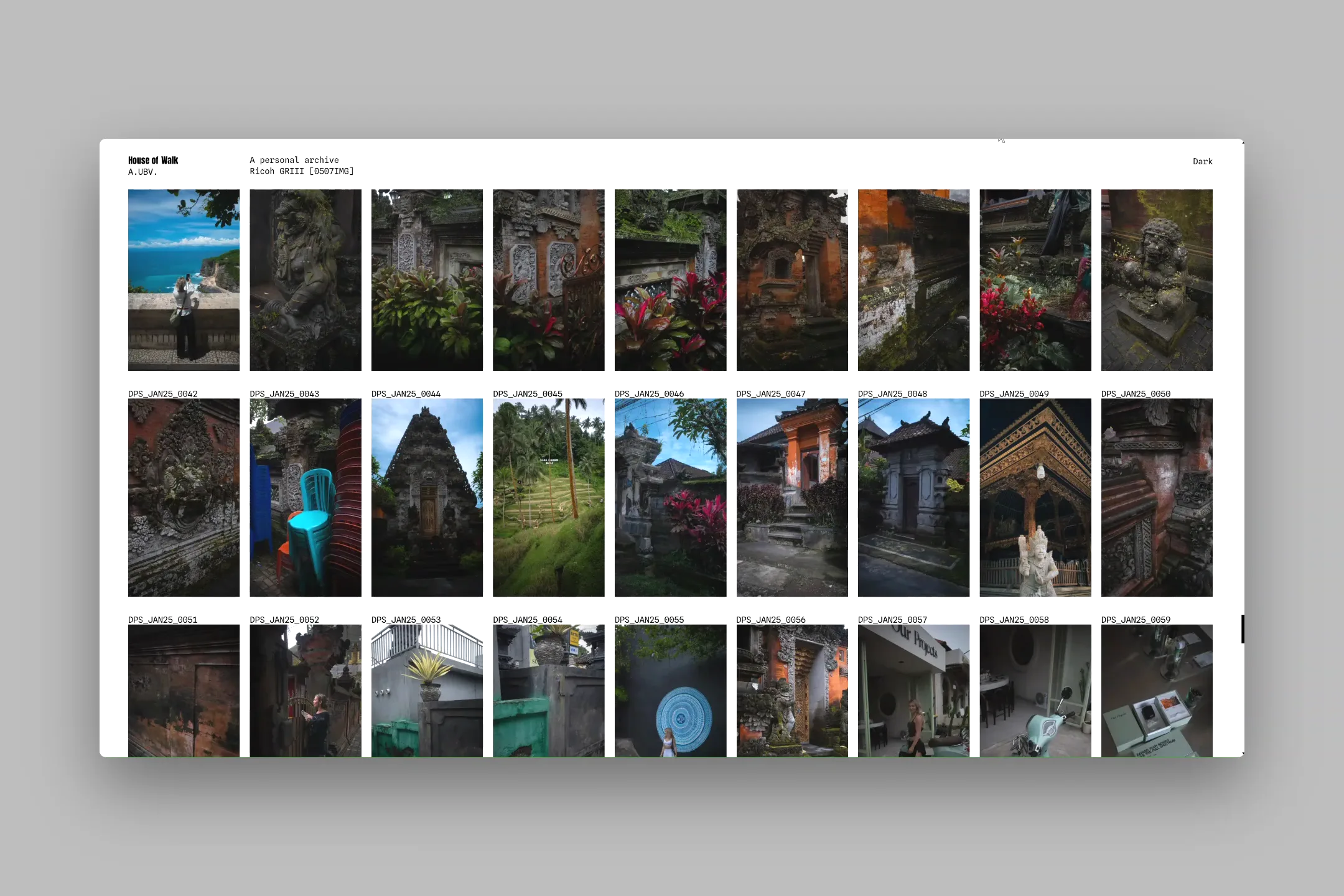
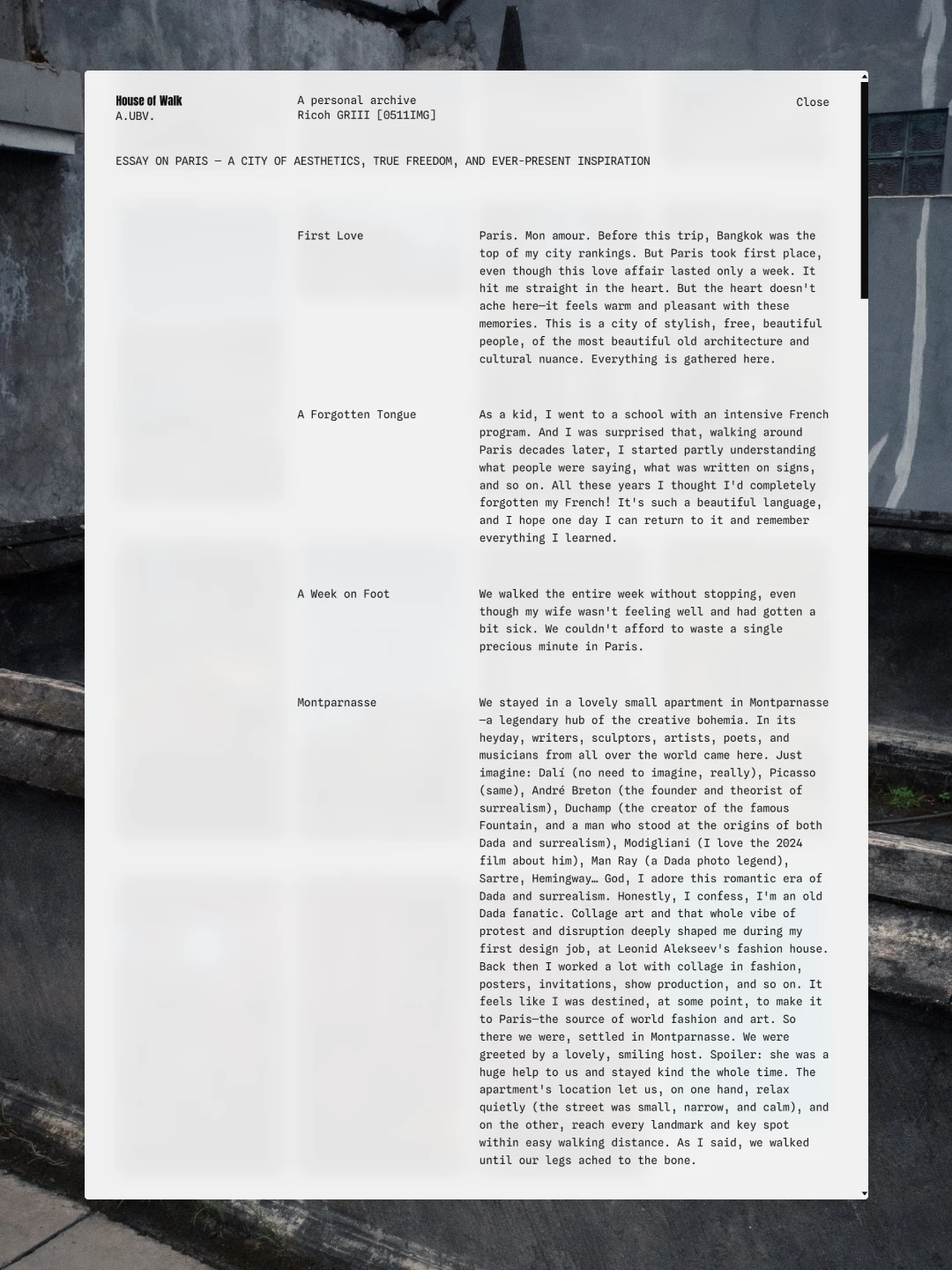
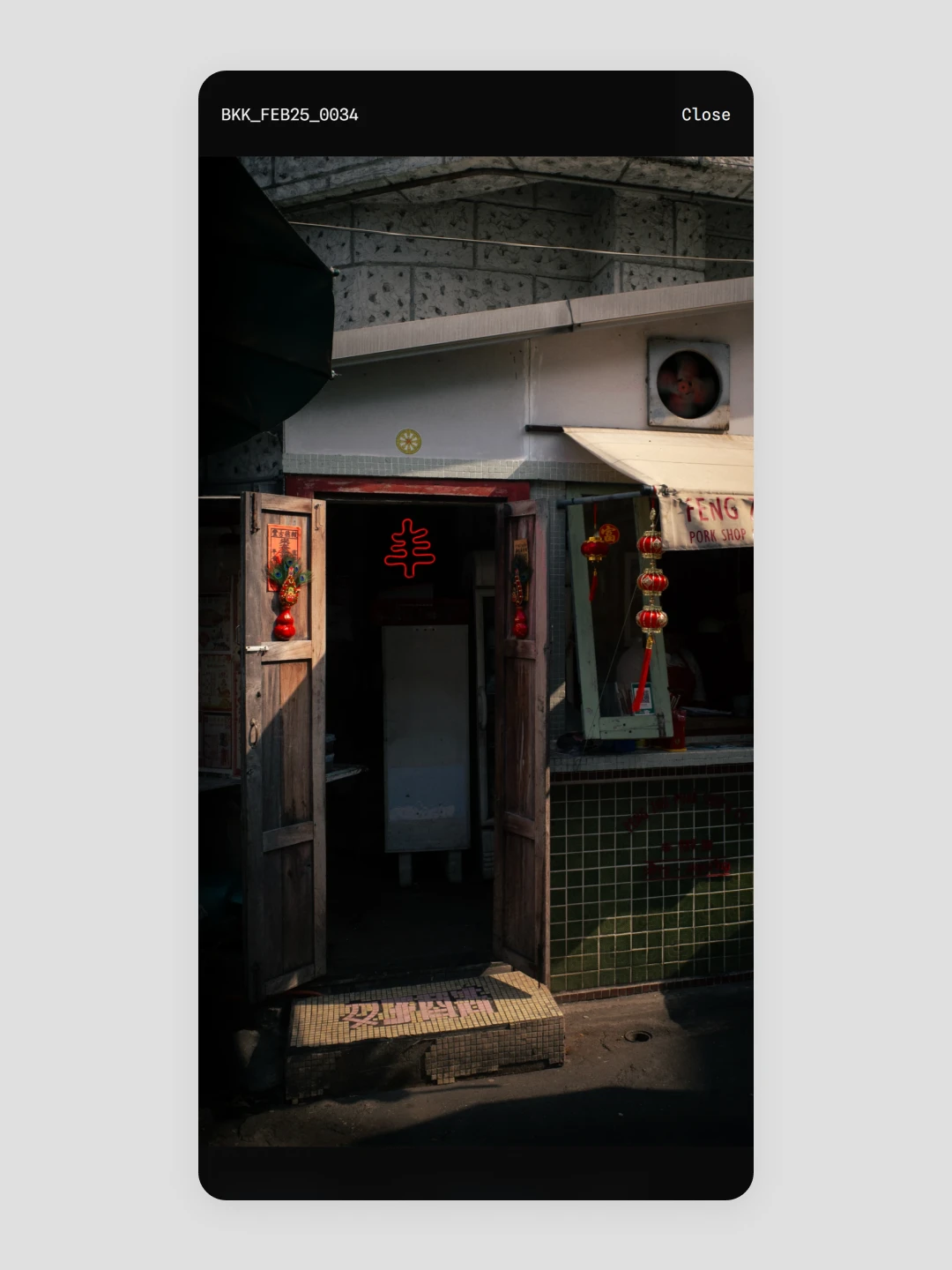
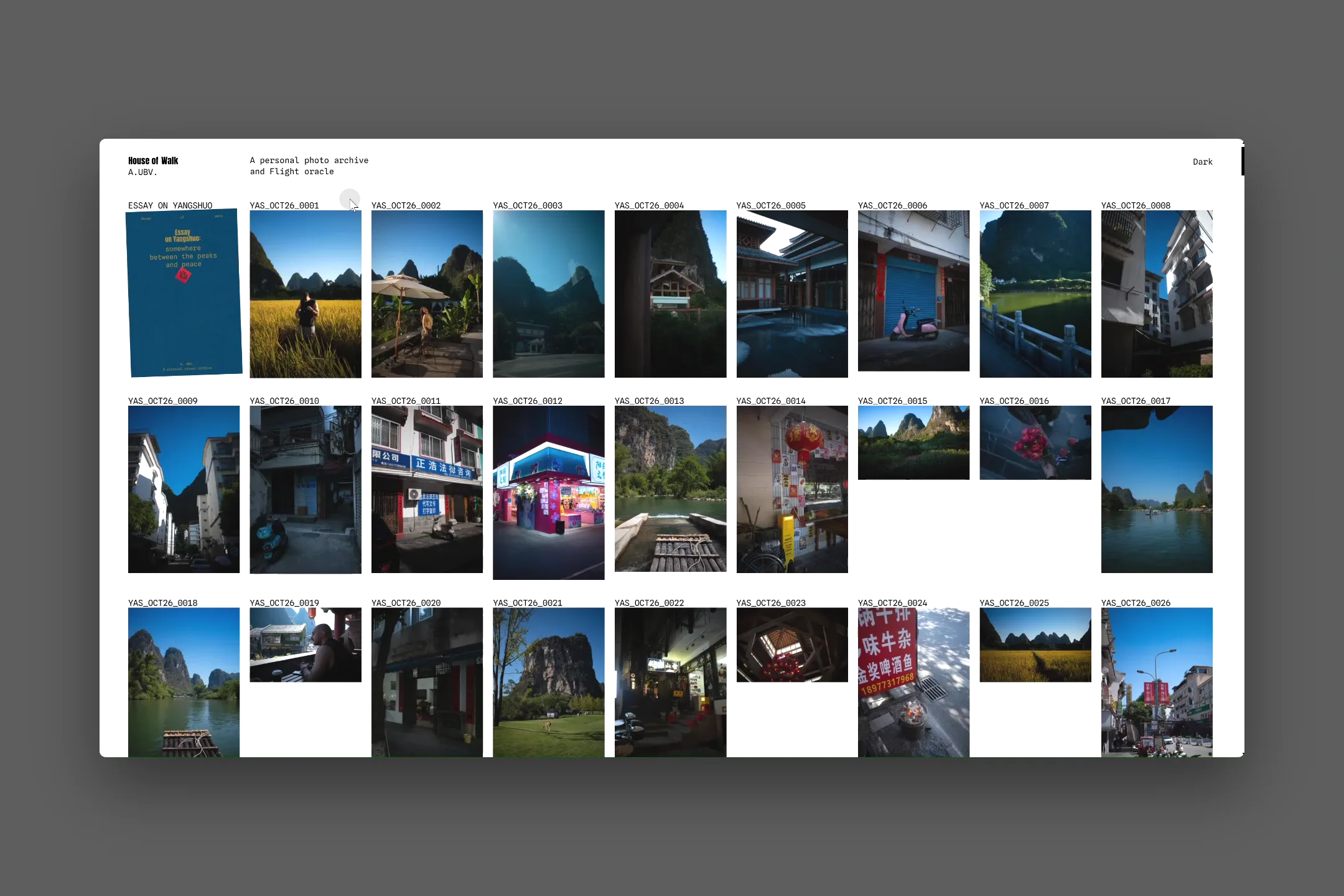
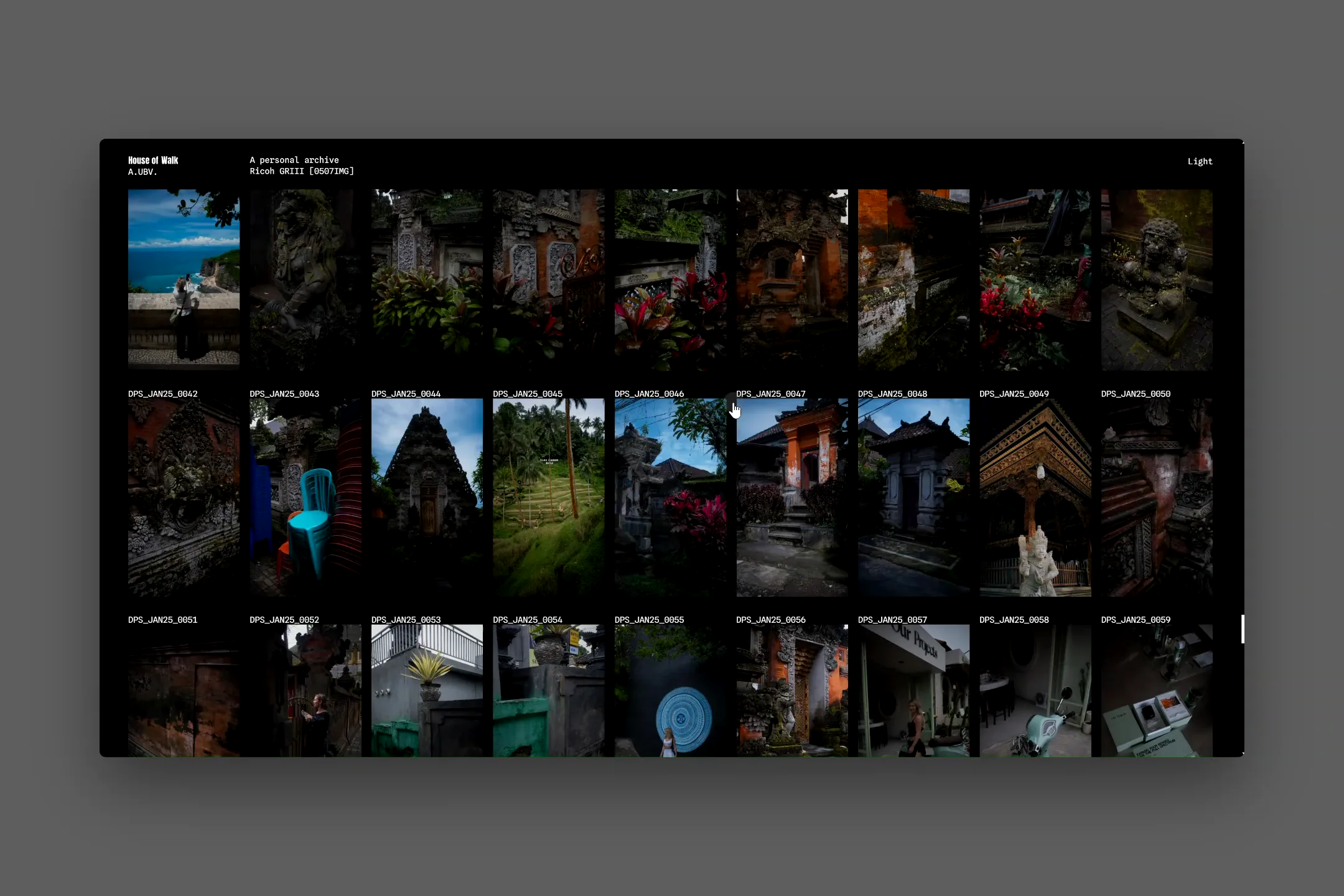
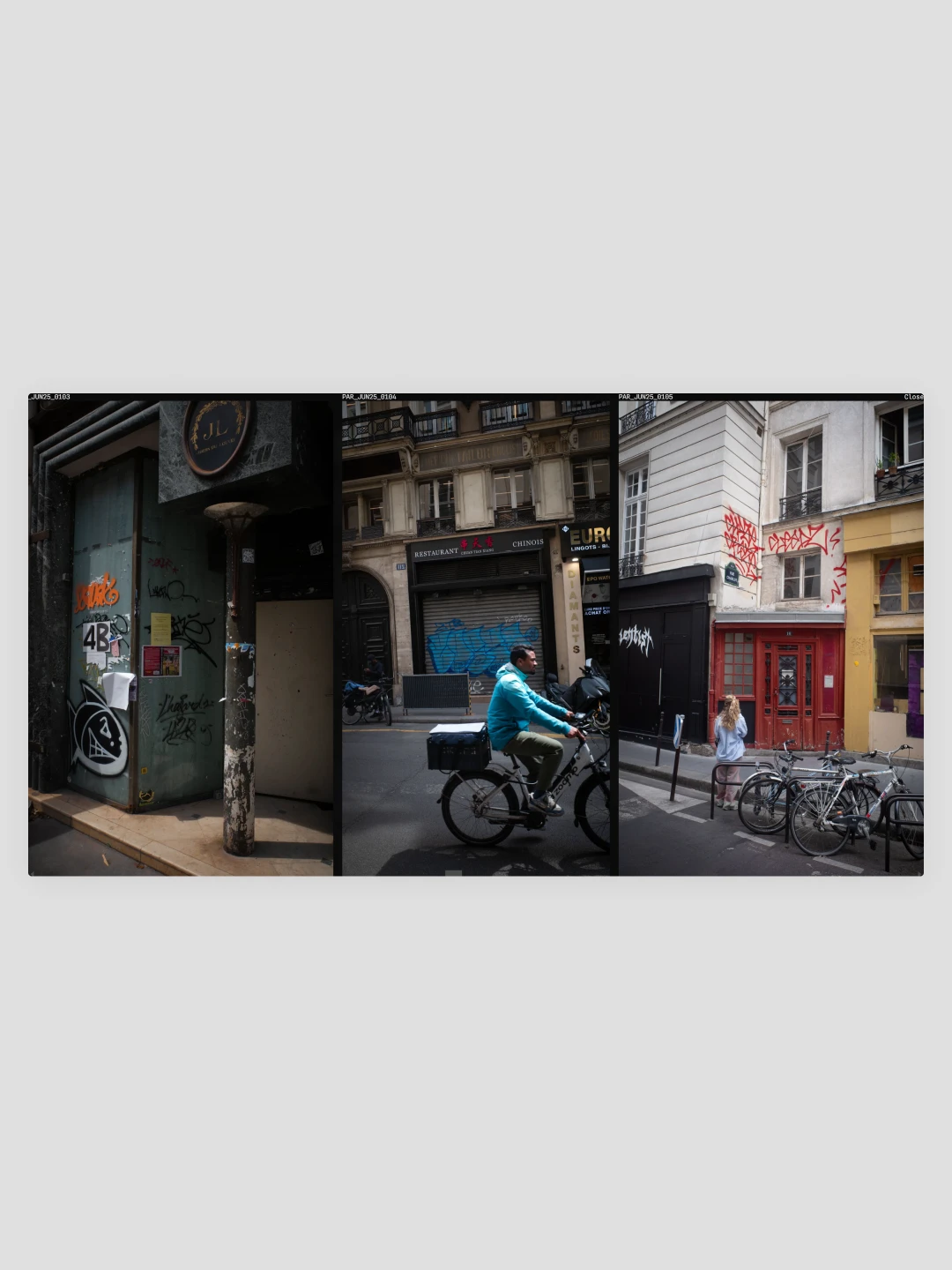
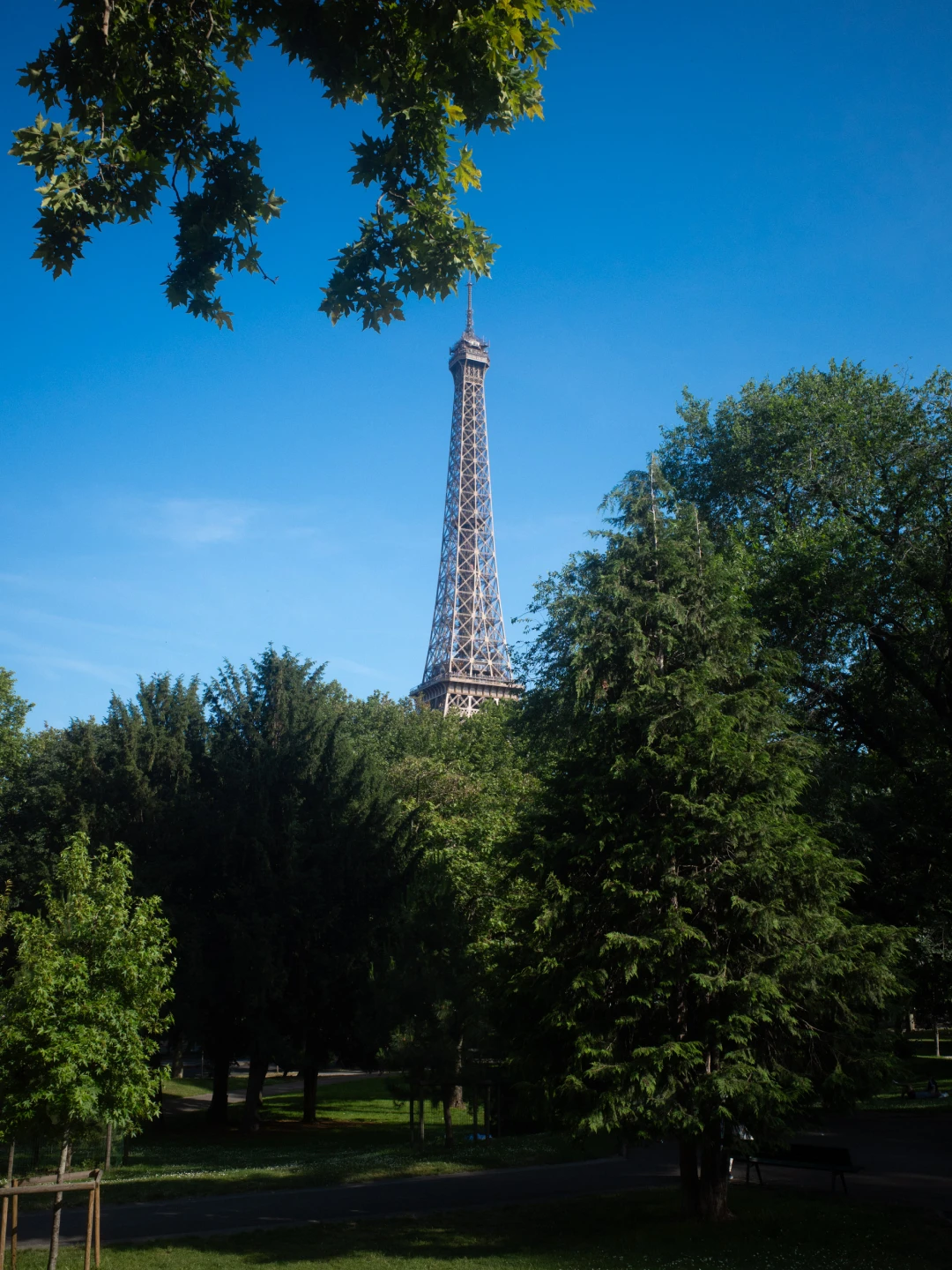
House of Walk is a personal visual archive of photographs, stories, travels, and everyday moments. A space that preserves a personal perspective on the world and makes it possible to revisit memories. The project also became an experiment at the intersection of art direction, design, and AI-assisted development—a way to take a digital product from idea to launch using Claude Code.
Challenge

Initially, the project was conceived as a simple, quick solution for storing photographs, without a dedicated identity or a thoroughly developed visual system. The main goal was to independently build and launch a functional space using Claude Code, without involving a developer.

At the same time, a large volume of photographs needed to be processed and organized, the website architecture had to be planned, and numerous technical challenges had to be solved—all while maintaining simplicity and attention to detail.

Solution

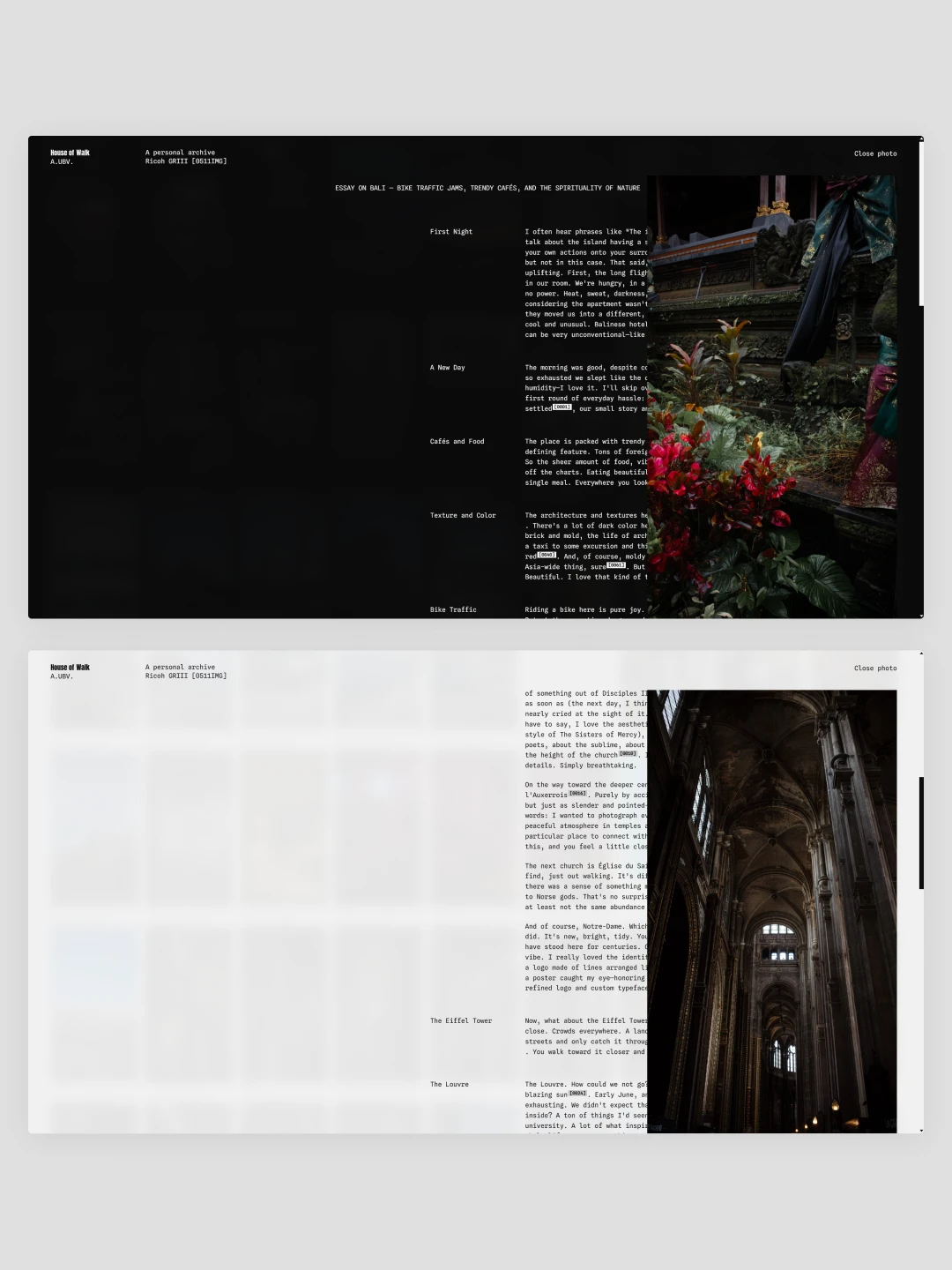
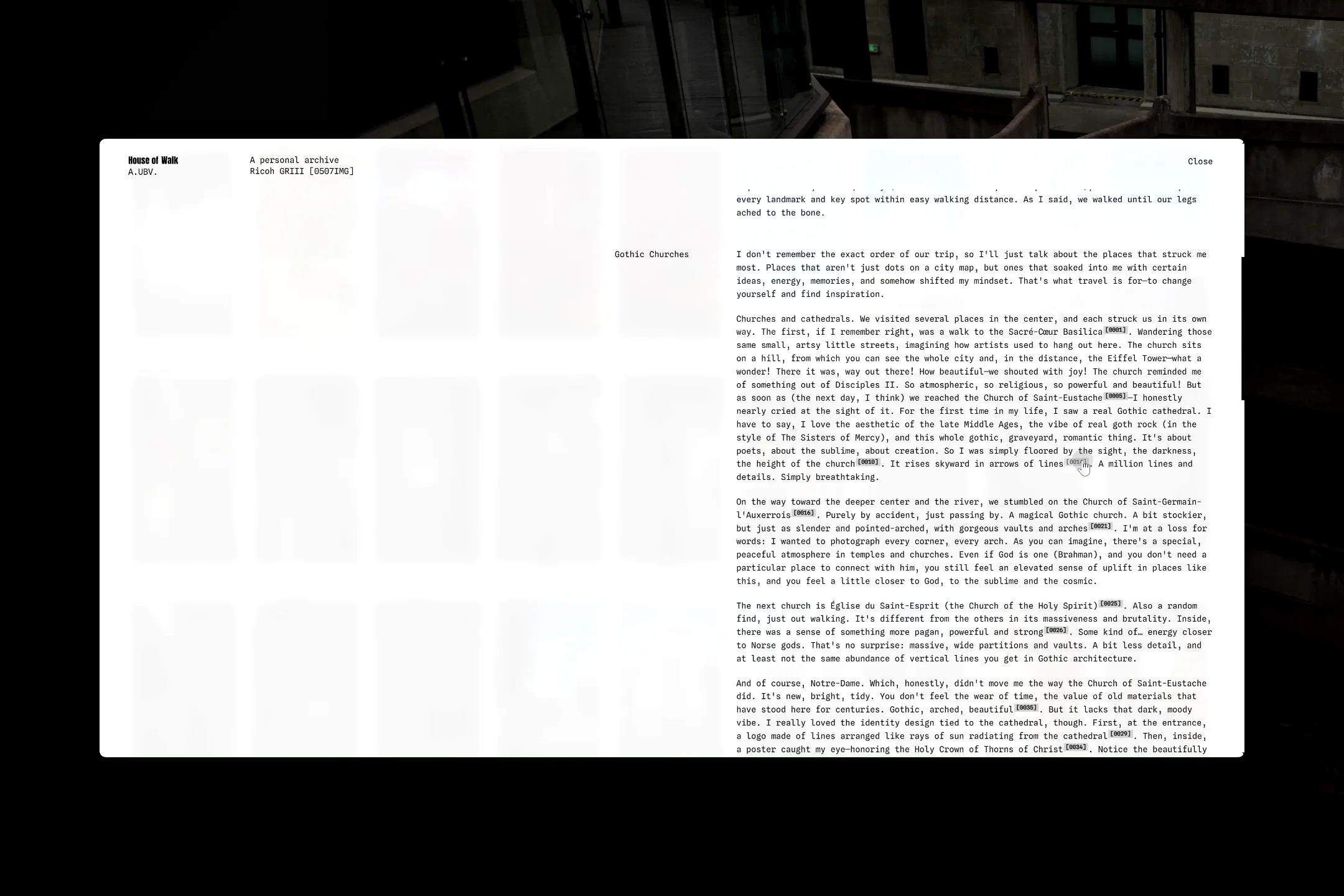
Using Claude Code and a vibe coding approach, the website's simple framework gradually evolved through visual nuances, animations, and sound effects. Scroll sounds and short swooshes when collapsing photographs became small but expressive interface details.

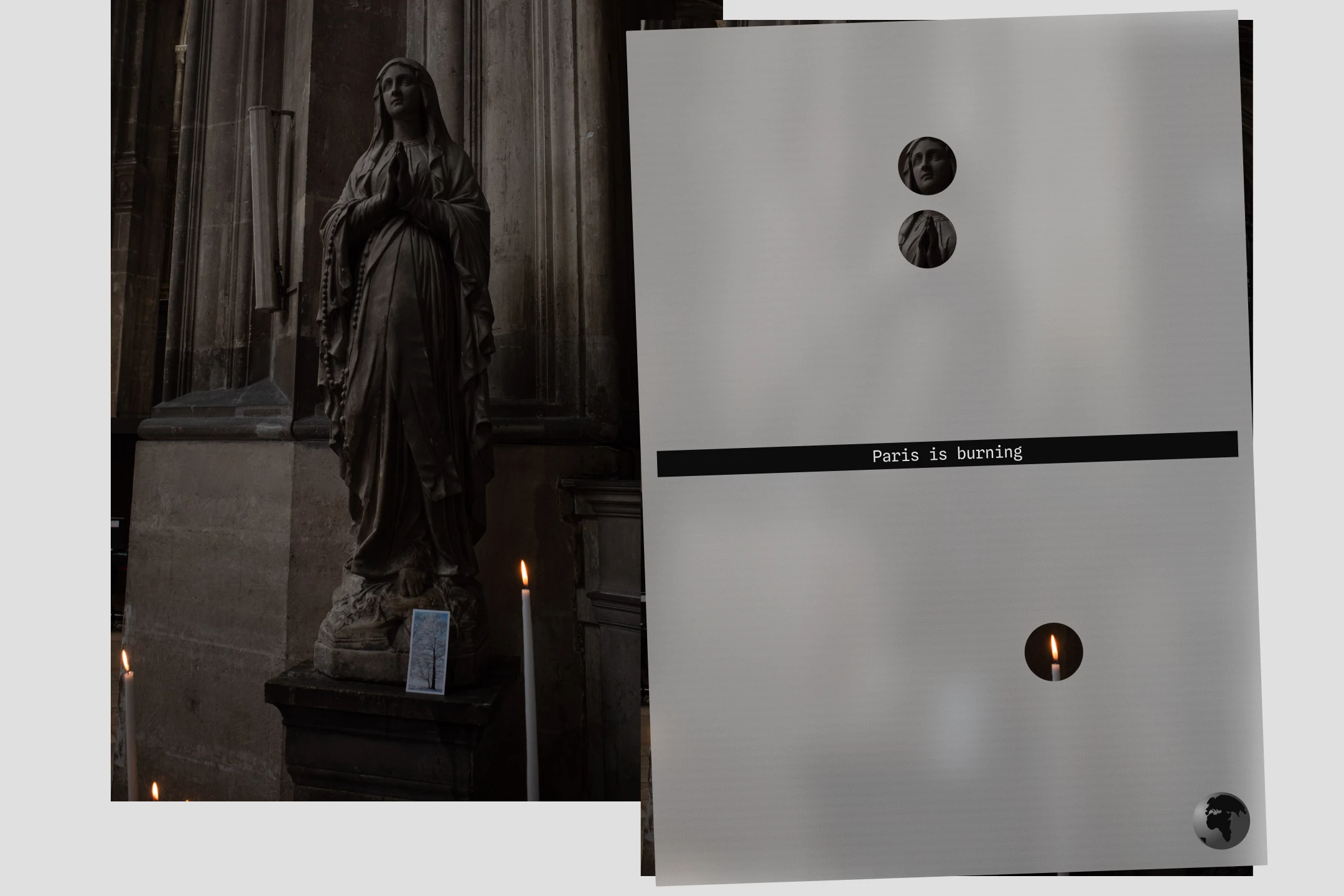
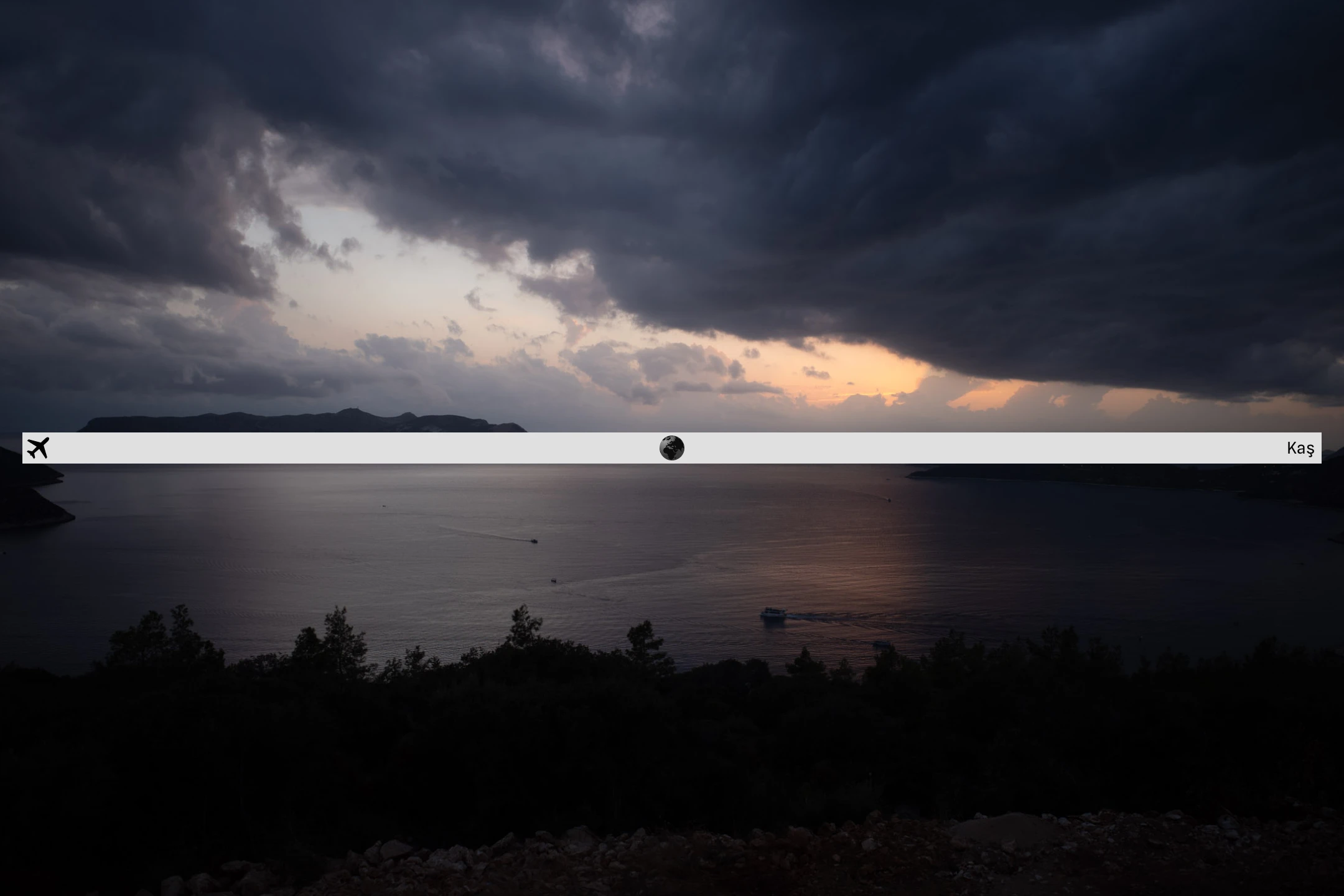
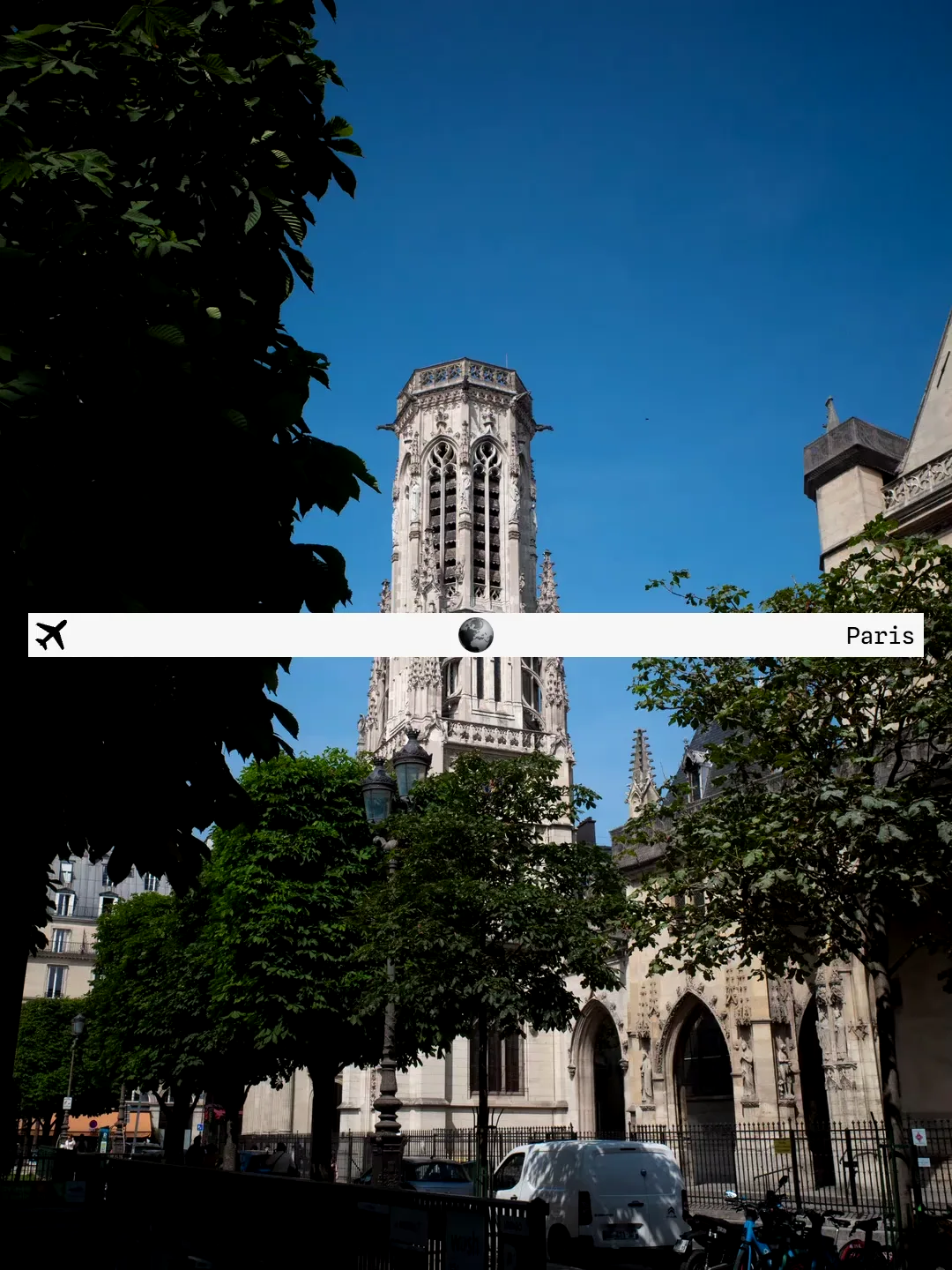
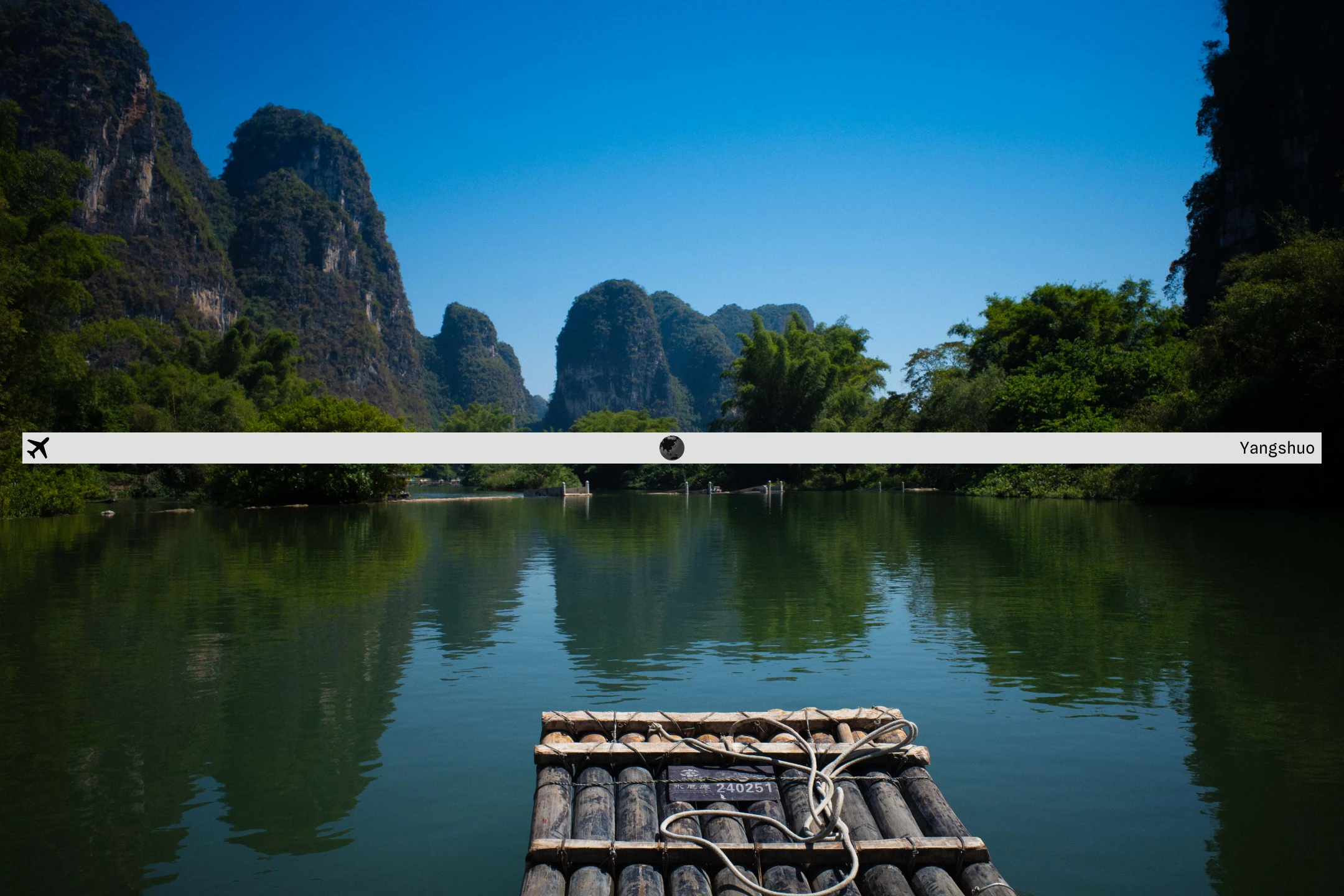
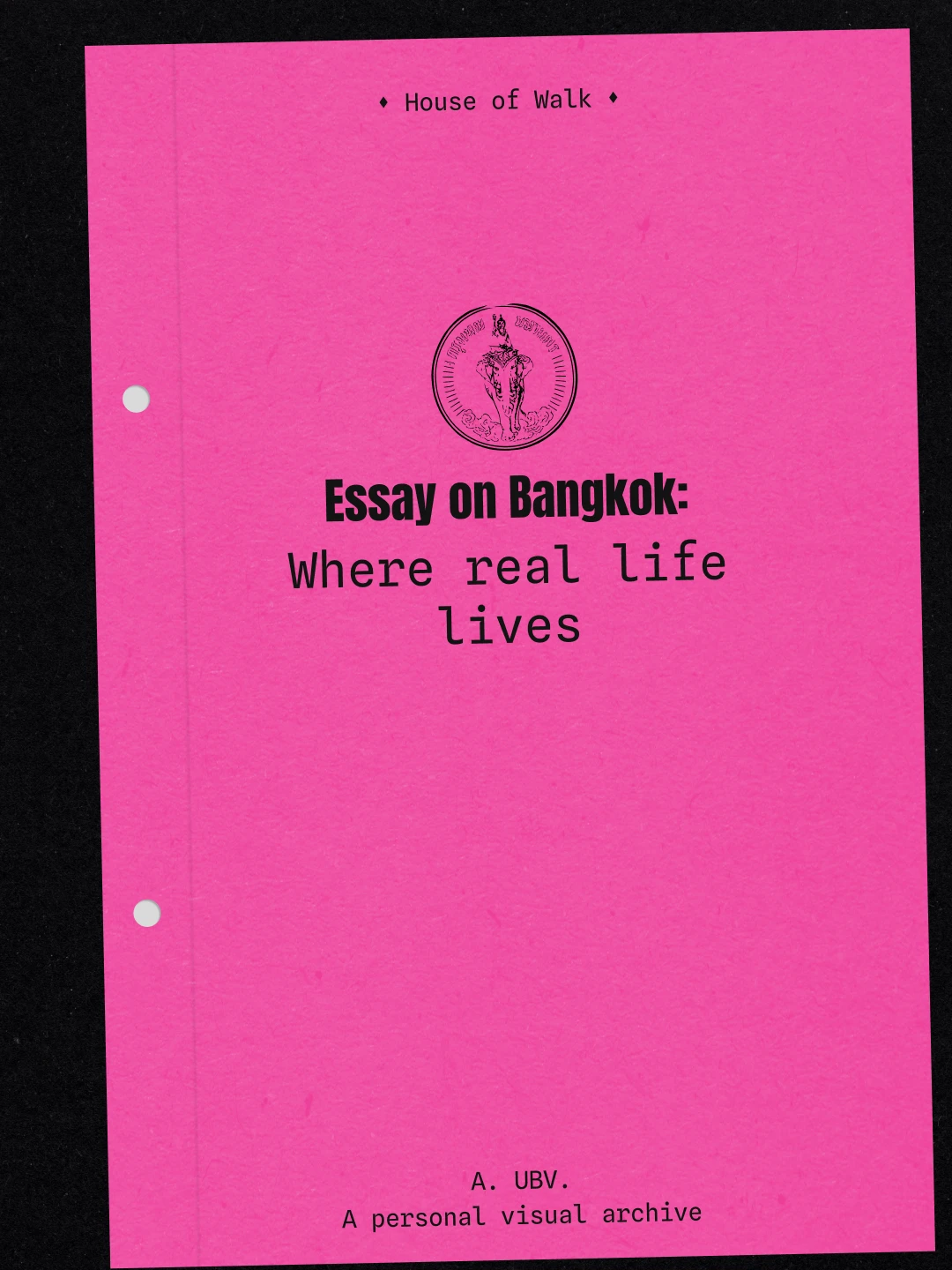
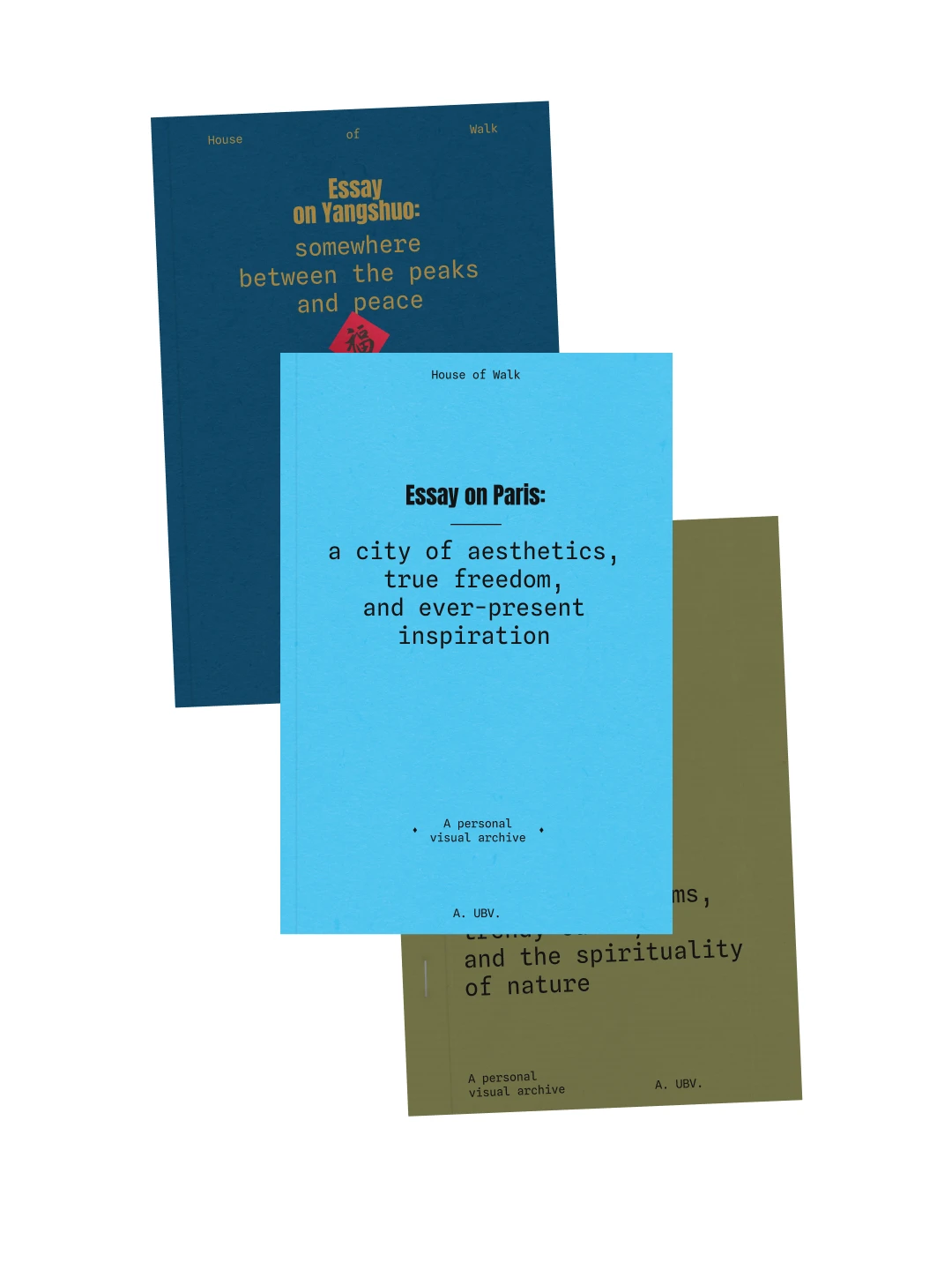
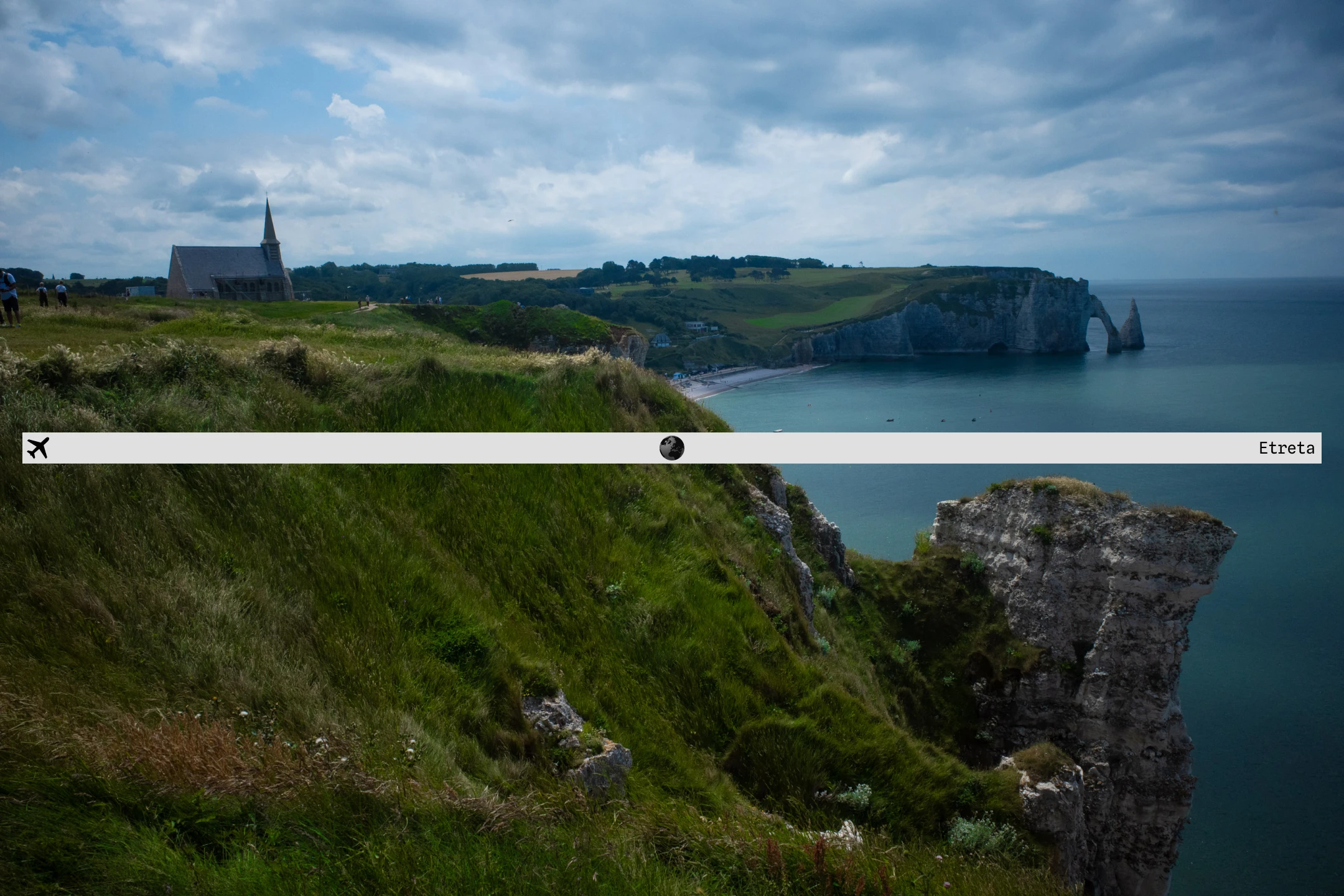
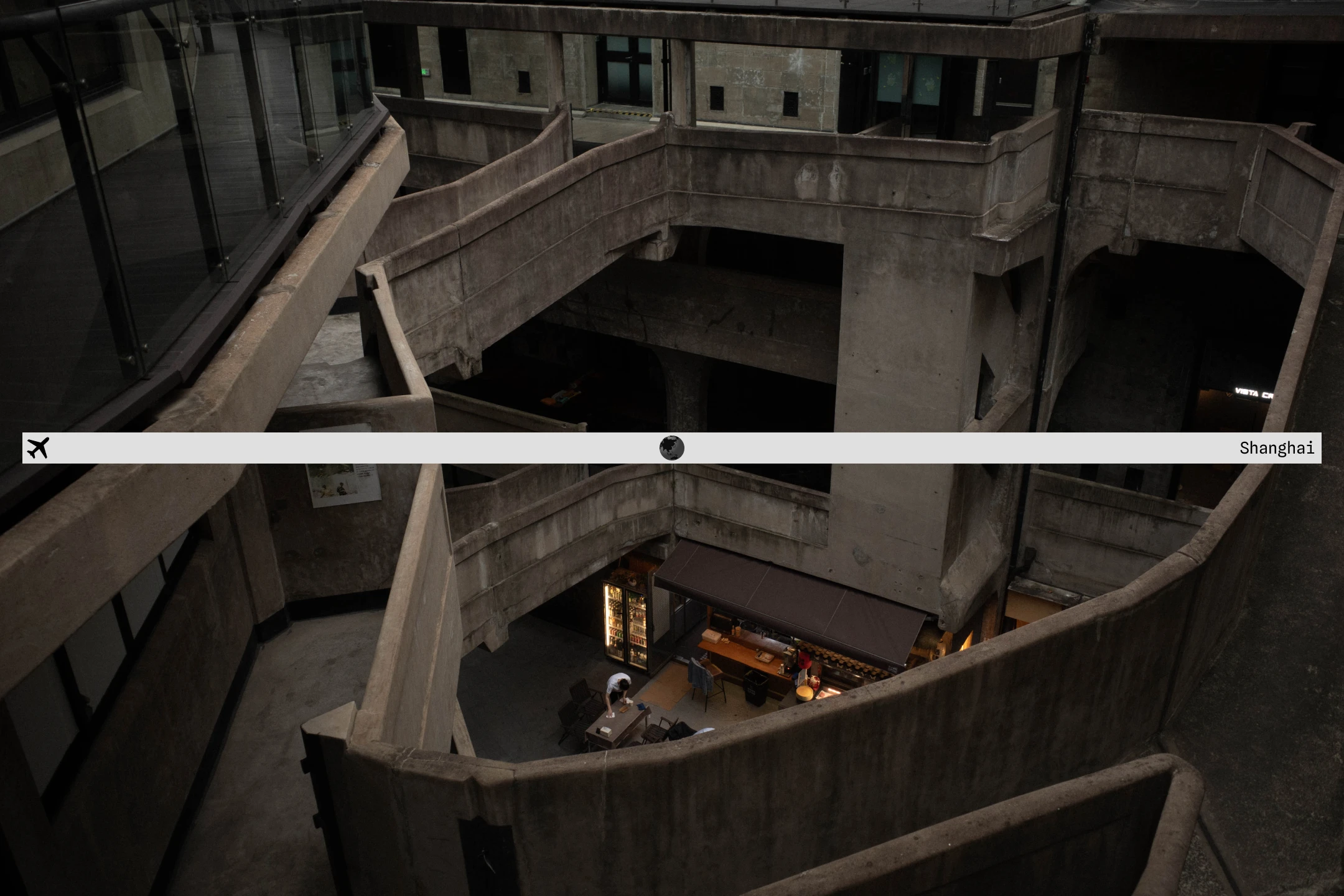
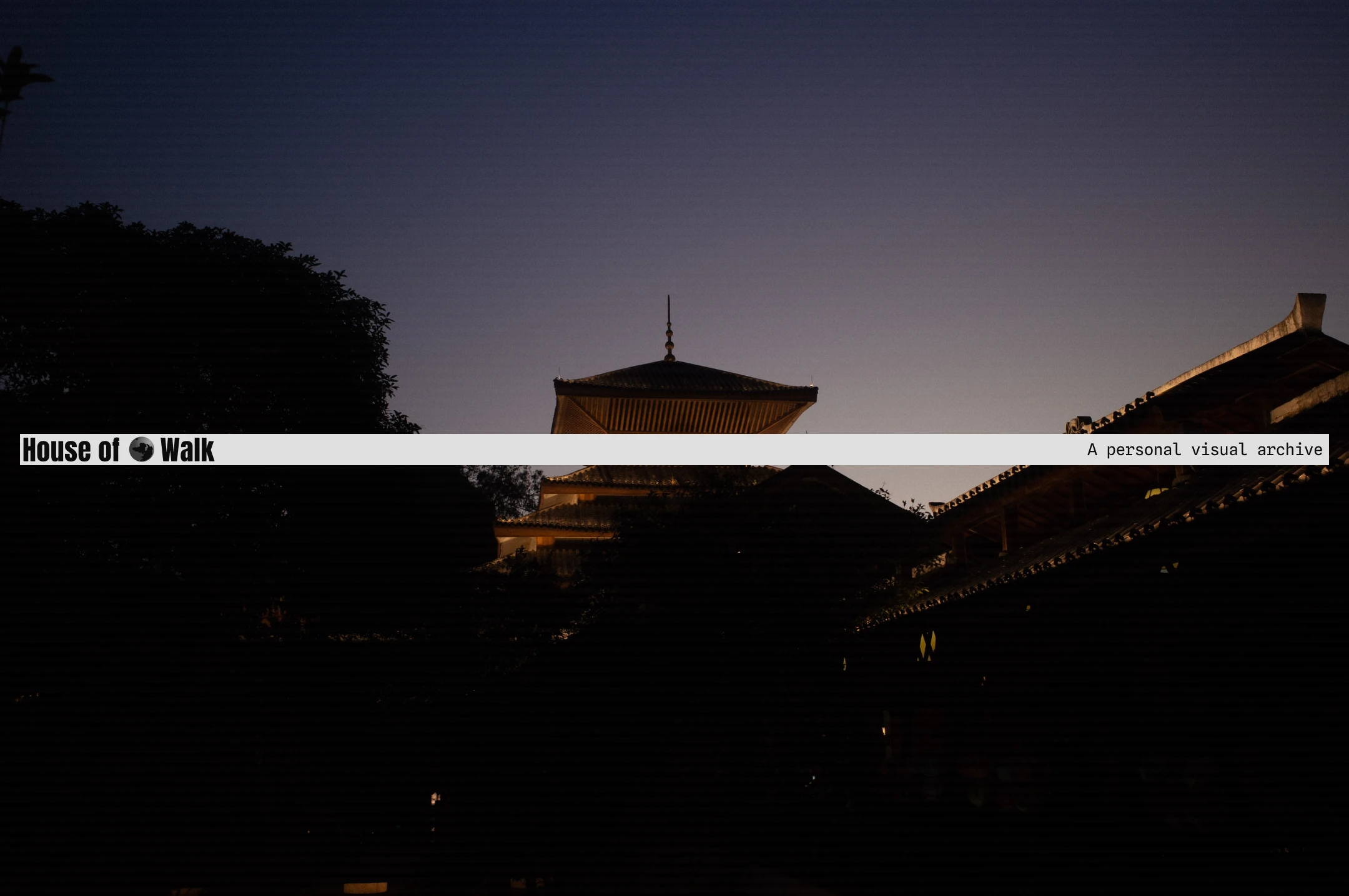
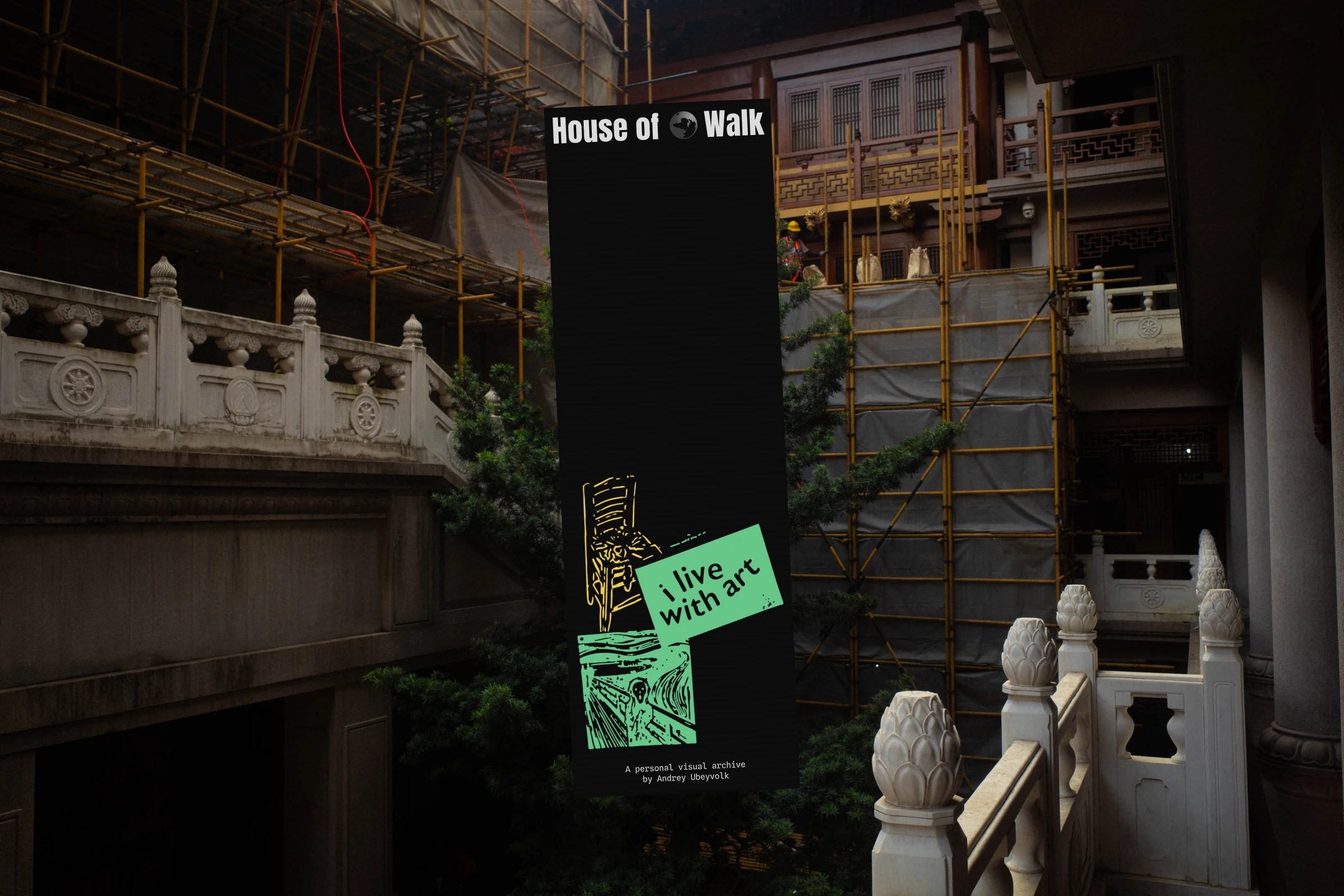
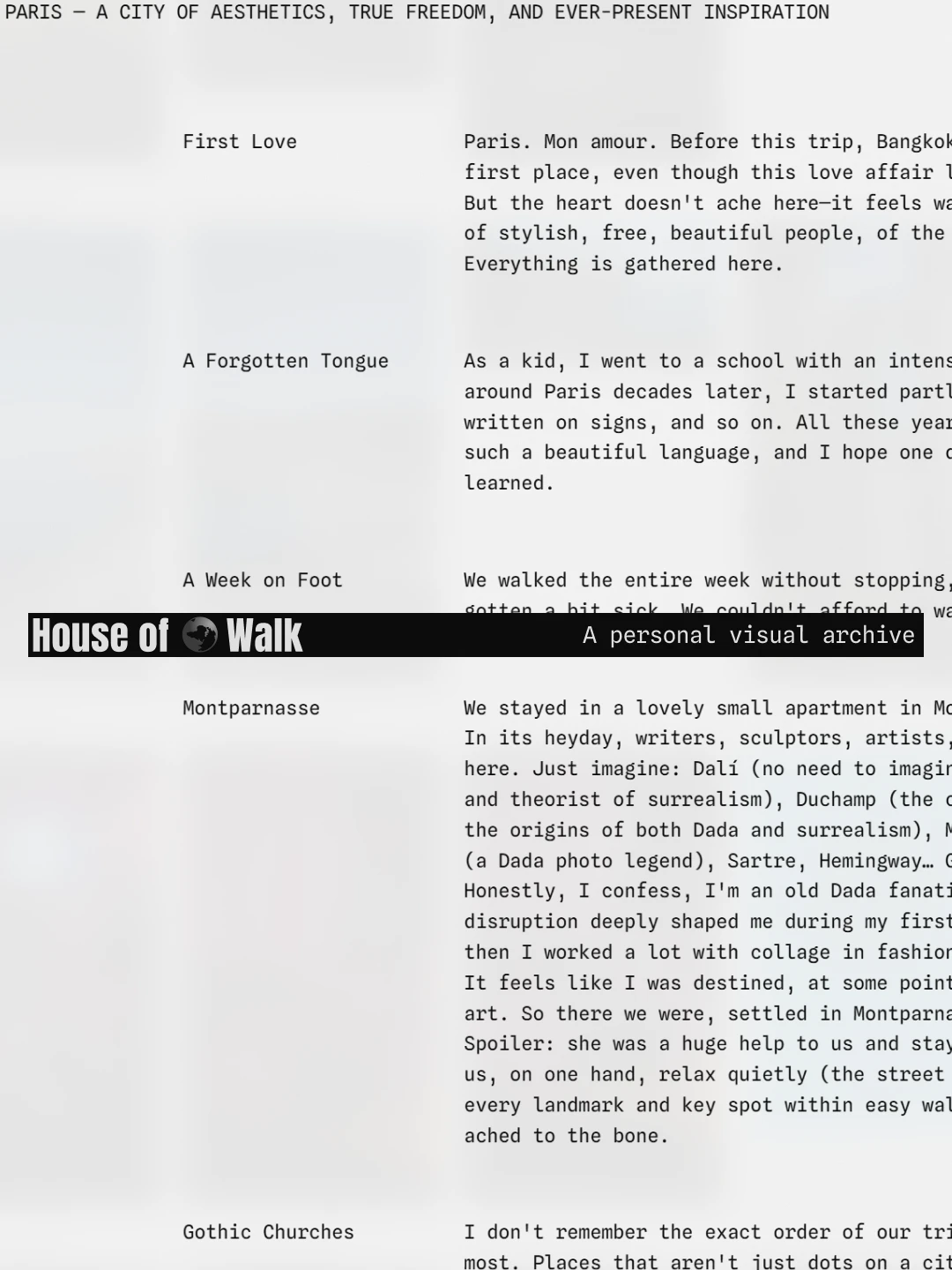
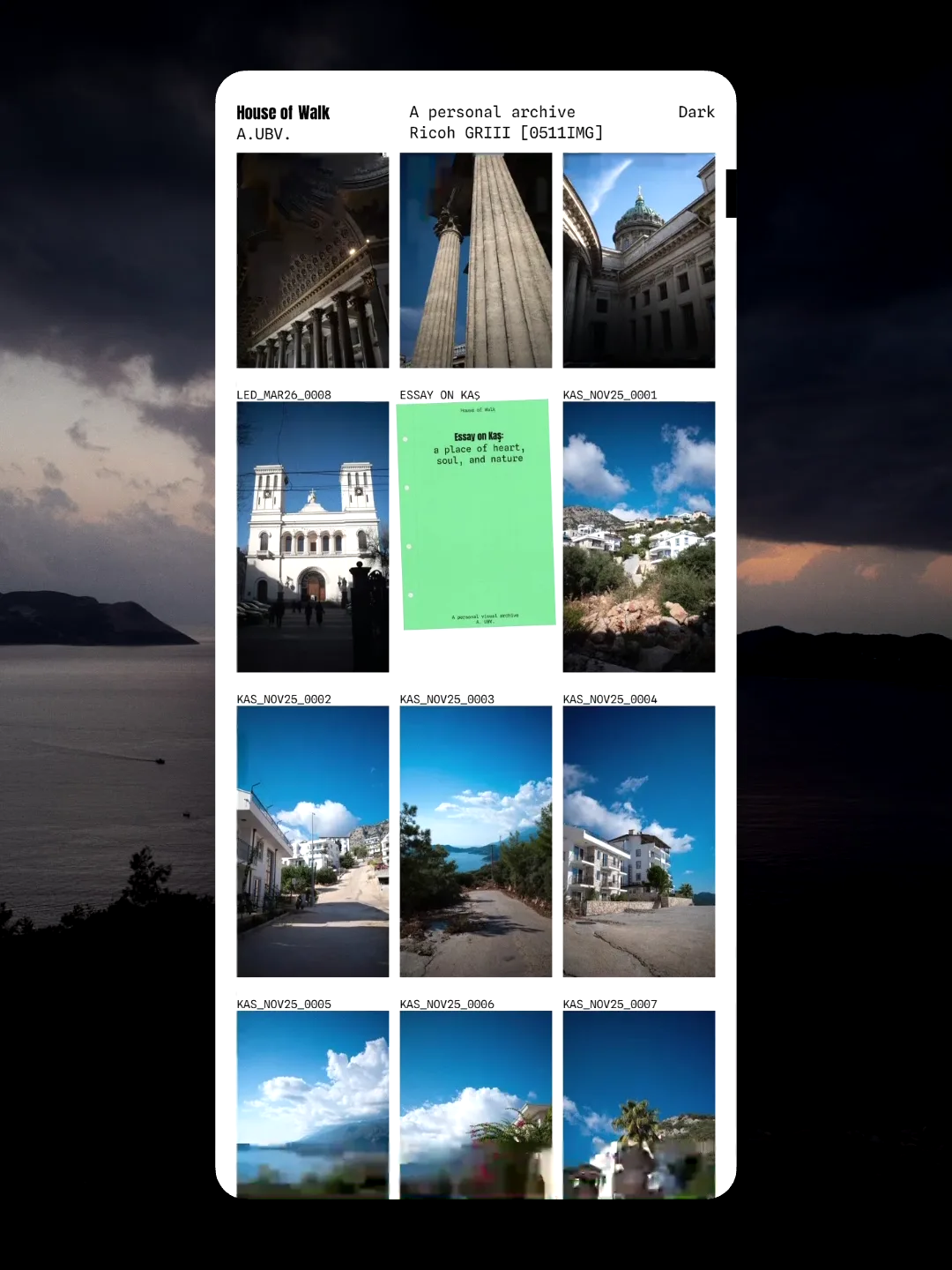
The visual identity developed around three associations: travel, the world, and retrospection. The planet became the starting point, leading to an airport-inspired aesthetic. The monospaced typeface Spline Sans Mono evokes departure boards, while Impact gives the logo a distinctive accent. Editorial elements—paper textures, postcards, original covers for city essays, and a tracing-paper effect when loading photographs—brought the visual system together.

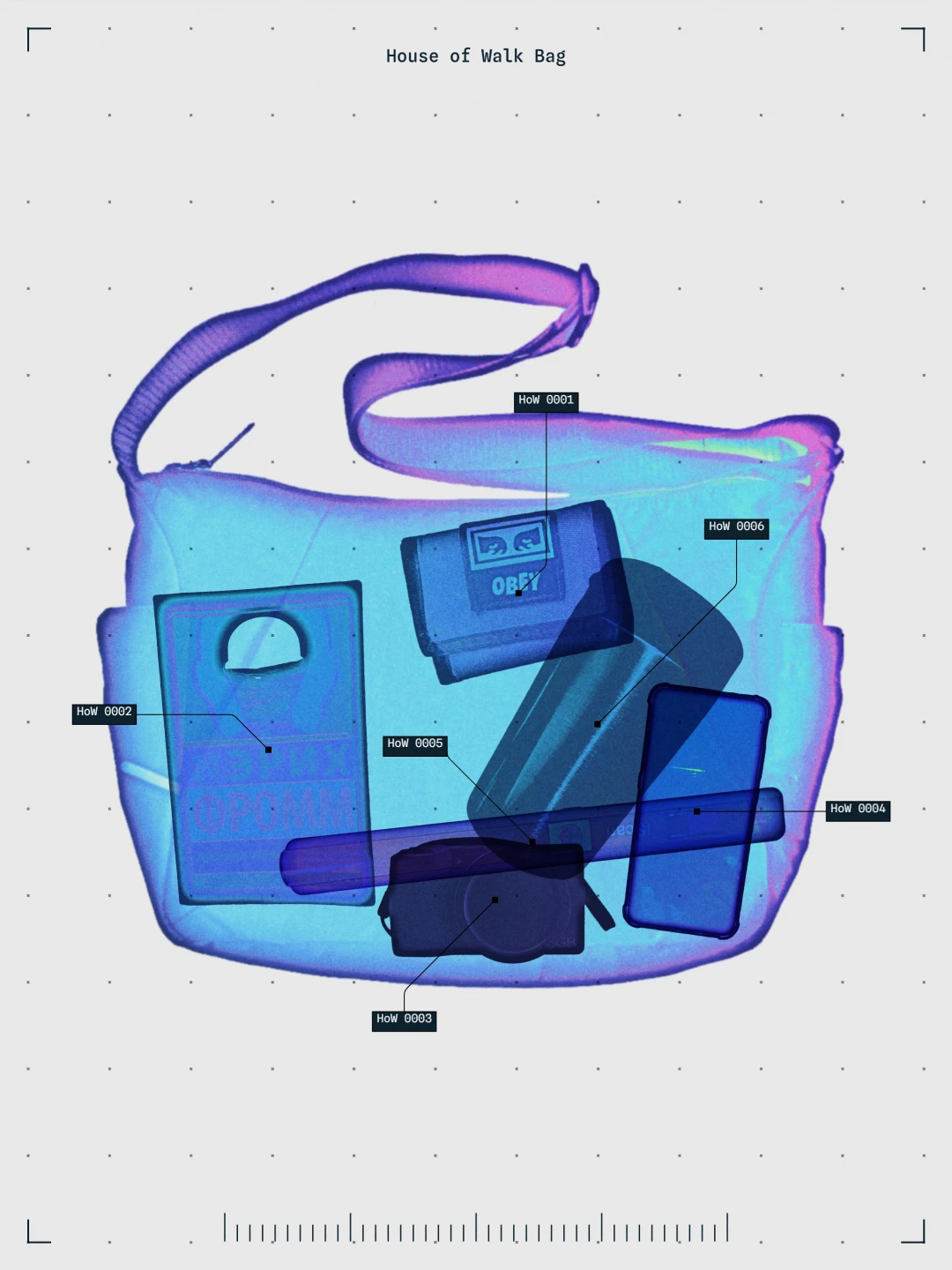
Alongside the website, three additional tools were built using vibe coding: an application for animating interface screens, a photo filter inspired by airport X-ray scanners, and a tool for previewing Instagram carousels.

As a result, House of Walk became more than a visual archive. It became a playground for experimenting with AI-assisted development, bringing art direction, design, and custom tool creation together in a single process.

House of Walk[X]
House of Walk
About

House of Walk is a personal visual archive of photographs, stories, travels, and everyday moments. A space that preserves a personal perspective on the world and makes it possible to revisit memories. The project also became an experiment at the intersection of art direction, design, and AI-assisted development—a way to take a digital product from idea to launch using Claude Code.
Challenge

Initially, the project was conceived as a simple, quick solution for storing photographs, without a dedicated identity or a thoroughly developed visual system. The main goal was to independently build and launch a functional space using Claude Code, without involving a developer.

At the same time, a large volume of photographs needed to be processed and organized, the website architecture had to be planned, and numerous technical challenges had to be solved—all while maintaining simplicity and attention to detail.

Solution

Using Claude Code and a vibe coding approach, the website's simple framework gradually evolved through visual nuances, animations, and sound effects. Scroll sounds and short swooshes when collapsing photographs became small but expressive interface details.

The visual identity developed around three associations: travel, the world, and retrospection. The planet became the starting point, leading to an airport-inspired aesthetic. The monospaced typeface Spline Sans Mono evokes departure boards, while Impact gives the logo a distinctive accent. Editorial elements—paper textures, postcards, original covers for city essays, and a tracing-paper effect when loading photographs—brought the visual system together.

Alongside the website, three additional tools were built using vibe coding: an application for animating interface screens, a photo filter inspired by airport X-ray scanners, and a tool for previewing Instagram carousels.

As a result, House of Walk became more than a visual archive. It became a playground for experimenting with AI-assisted development, bringing art direction, design, and custom tool creation together in a single process.

Scroll to top